Service
Grief Counselling for Women in Mount Barker
A steady companion through bereavement, pregnancy loss, and the quiet griefs that no one around you sees.
No GP referral or Mental Health Treatment Plan required to book
Grief is not a problem to be solved. It is love with nowhere to go, and the work of grief counselling is not to take it away but to help you carry it.
Many women come to Safe Refuge months or years after a loss, when the world around them has stopped asking how they are and they have started to wonder whether their continued sadness means something is wrong with them. Nothing is wrong with you. Grief does not run on anyone else’s timetable.
We also work with the losses that are harder to name: miscarriage, the estrangement of an adult child, the slow disappearance of a parent to dementia, a faith that used to feel certain, a marriage that ended, a version of your life that was never going to happen. These are real losses. They deserve real care.
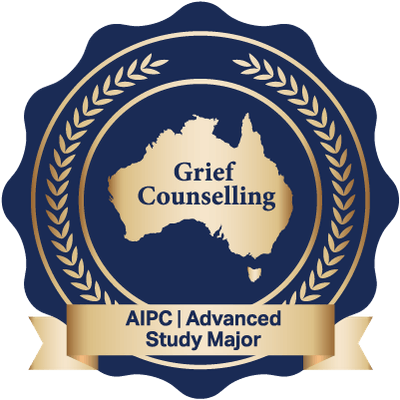
Advanced Study Major in Grief & Loss
Aana has completed the Australian Institute of Professional Counsellors (AIPC) Advanced Study Major in Grief and Loss Counselling — specialised training in supporting people through bereavement and loss.

In Session
What We Help With
- Bereavement after the death of a loved one
- Miscarriage, stillbirth, and infant loss
- Anticipatory grief and caring for the dying
- Estrangement and the loss of relationships
- Loss of faith or religious belonging
- Separation, divorce, and the end of a marriage
- Grief after a diagnosis (yours or a loved one’s)
- Complicated and prolonged grief
What to Expect
How It Works
Step 01
Name what has been lost
The first session gives the loss space without asking you to make it tidy. You can begin with what happened, what has changed, or what is hardest this week.
Step 02
Understand your grief
We explore how grief is affecting your emotions, body, relationships, faith, work, and daily life, without imposing a fixed stage or timetable.
Step 03
Find a way to carry it
Sessions may make room for memory, meaning, practical decisions, difficult anniversaries, and the parts of life that need to grow around the loss.
Understanding Grief
There Is No Single Correct Timeline
Grief can follow a death, but it can also accompany pregnancy loss, estrangement, illness, separation, infertility, loss of faith, or a future that is no longer possible. It may arrive in waves, change over time, and become more noticeable around anniversaries or reminders.
Healthdirect’s Australian guidance on grief and loss explains common responses and when professional support may be useful. It also has specific information about anticipatory grief. For a deeper resource, read Safe Refuge’s grief literacy guide for Australian women.
Safety and Scope
When Grief Needs Additional Care
Safe Refuge can support grief, but a counsellor does not diagnose depression or prolonged grief disorder and cannot prescribe medication. If grief is severely affecting sleep, physical health, safety, or day-to-day functioning, a GP or diagnosing mental health practitioner should also be involved.
Safe Refuge is not a crisis service. If you are in immediate danger, call 000. If you are thinking about suicide or need to talk to someone now, call Lifeline on 13 11 14. Pregnancy and infant loss support is also available through Red Nose Grief and Loss.
Our Approach
Why Safe Refuge
Grief does not automatically mean that something is clinically wrong. Counselling offers a private place to speak plainly about the loss, understand what has changed, and decide what kind of support is useful now. If assessment or medical care would help, we will say so and encourage you to involve the right practitioner.
If you are a woman of faith, we are comfortable holding the spiritual questions that loss so often raises — without ever imposing answers. No GP referral is required to book; current fees and rebate information are set out on the fees page.
Questions
Frequently Asked Questions About Grief Counselling for Women in Mount Barker
What kinds of loss can I bring to grief counselling?
You can bring bereavement, pregnancy or infant loss, anticipatory grief, estrangement, separation, illness, loss of faith, identity changes, or another loss that matters to you. It does not need to fit a particular category.
Is it too soon or too late to seek grief counselling?
There is no single timetable. Some women want support soon after a loss; others reach out months or years later when the impact becomes clearer. The relevant question is whether support would be useful now.
How is grief counselling different from a diagnosis?
Grief counselling makes room for loss without assuming it is a disorder. Aana does not diagnose depression or prolonged grief disorder. If assessment, medication, or higher-level care is needed, a GP, psychologist, or psychiatrist should be involved.
Can you support miscarriage, stillbirth, or infant loss?
Yes. Pregnancy and infant loss can involve grief, trauma, physical recovery, and changes in identity or relationships. Counselling can sit alongside specialist medical and bereavement support such as Red Nose Grief and Loss.
Do I need a GP referral to book grief counselling?
No. You can book Safe Refuge directly without a GP referral or Mental Health Treatment Plan. Sessions are private counselling and are not Medicare-rebatable; current pricing is available on the fees page.
Take the Next Step
Book Now
A short, free conversation to explore what is troubling you and whether Safe Refuge is the right next step. No GP referral or Mental Health Treatment Plan is required to book, and there is no pressure to continue.